


A More Sustainable Kitchen Starts With Habits You Can Actually Maintain
Sustainable living is often presented as a complete lifestyle transformation.
Replace everything.
Eliminate all waste.
Prepare every meal from scratch.
Never choose convenience.
For most households, that approach is difficult to maintain.
A more sustainable kitchen does not need to be perfect. It needs to support realistic habits that can continue during busy weeks, family changes, and everyday life.
Small improvements, repeated consistently, can create meaningful results over time.
Use What You Already Own
One of the most sustainable choices is to continue using products that still function well.
Do not discard useful plastic containers simply because glass alternatives look more environmentally friendly.
Replace products when they are damaged, unsafe, or no longer useful—not only because a new option has become popular.
Thoughtful consumption begins by valuing what is already available.
Reduce Food Waste First
Food waste is one of the most important kitchen challenges families can address.
Useful habits include:
- checking the refrigerator before shopping
- planning meals around existing ingredients
- freezing food before it spoils
- creating an “eat first” area
- storing produce correctly
- serving smaller portions initially
- transforming leftovers into new meals
A roasted chicken can become sandwiches, soup, salad, or a grain bowl.
Cooked vegetables can become pasta sauce, omelets, or filling for wraps.
Sustainability often begins with creativity rather than restriction.
Replace Disposable Products Gradually
There is no need to replace every disposable product at once.
Start with items your household uses frequently.
Possible changes include:
- reusable shopping bags
- washable kitchen towels
- refillable water bottles
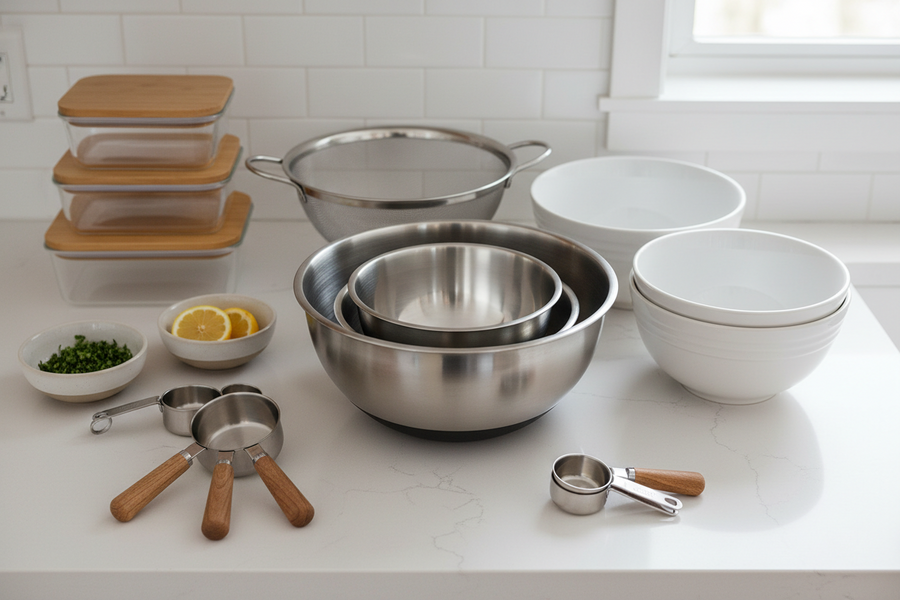
- reusable food containers
- silicone storage bags
- reusable coffee filters
- durable lunch containers
Choose replacements that fit your routine.
A reusable product only creates value when it is convenient enough to be used repeatedly.
Store Food Properly
Food that lasts longer creates less waste.
Learn which ingredients need airflow, which require moisture, and which should be stored separately.
For example, some fruits release gases that can cause nearby produce to ripen more quickly.
Leafy greens often benefit from controlled moisture, while dry ingredients require protection from humidity and pests.
Appropriate storage is not only about organization.
It helps protect the time, money, energy, and resources used to produce the food.
Cook Flexible Meals
Flexible meals allow ingredients to be adapted based on what is available.
Soups, stir-fries, grain bowls, pasta dishes, tacos, omelets, and salads can accommodate vegetables, proteins, and grains that need to be used soon.
Instead of purchasing every ingredient for an exact recipe, consider what substitutions are possible.
This approach reduces unnecessary shopping and encourages greater confidence in the kitchen.
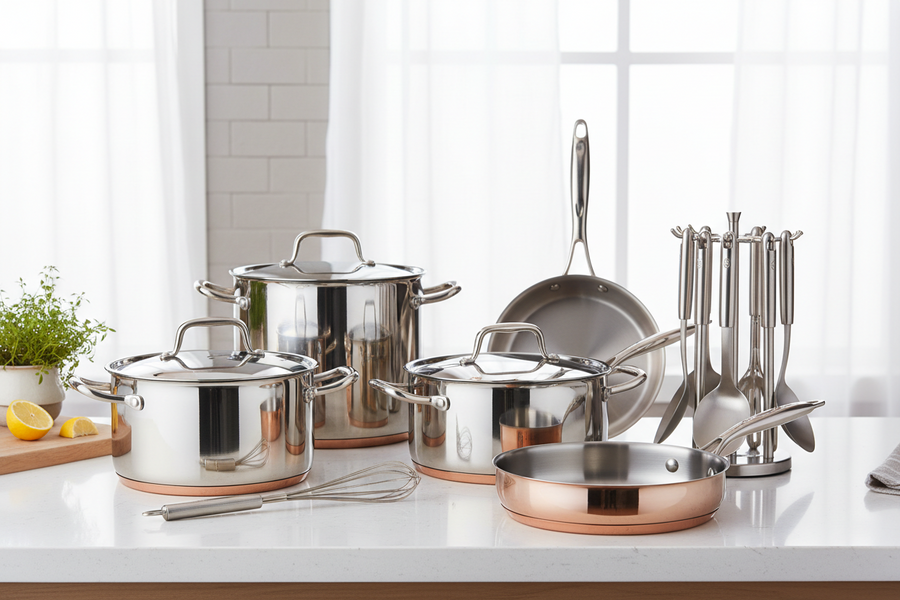
Choose Durable Tools
Products that need frequent replacement create additional cost and waste.
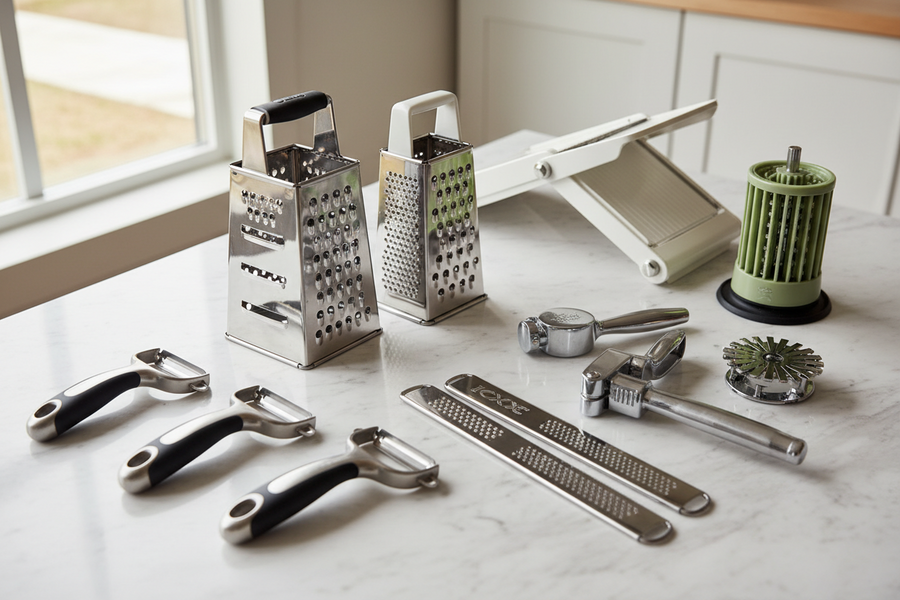
When purchasing new kitchen essentials, consider:
- durability
- repairability
- versatility
- ease of cleaning
- storage requirements
- frequency of use
A dependable tool used for years is often a better choice than several low-quality alternatives.
The most sustainable product is frequently the one you do not need to replace.
Use Water and Energy Intentionally
Simple habits can help reduce unnecessary water and energy use.
Try:
- running the dishwasher only with a full load
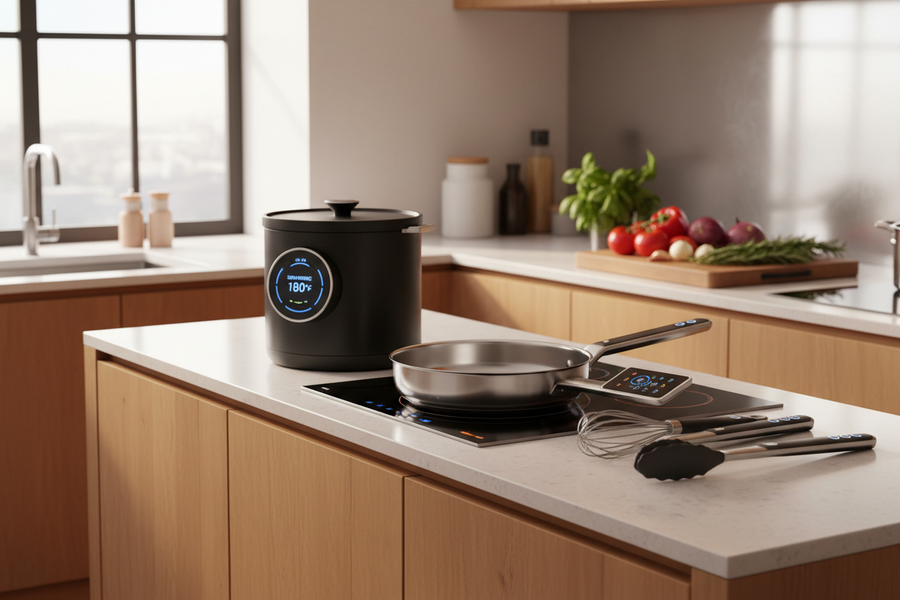
- using appropriately sized pots and burners
- covering pots to heat food more efficiently
- boiling only the amount of water needed
- allowing food to cool before refrigeration
- using residual oven heat when appropriate
- avoiding long periods of running water during cleaning
These changes are small enough to become automatic over time.
Build One Habit at a Time
Trying to change everything at once can make sustainable living feel exhausting.
Choose one habit and practice it until it becomes part of your routine.
You might begin by:
- planning one leftover meal each week
- bringing reusable bags to the store
- replacing paper towels with washable cloths for everyday cleaning
- organizing the freezer
- carrying a reusable drink container
Once one habit feels natural, add another.
Consistency matters more than speed.
Final Thoughts
A more sustainable kitchen is not created by perfection.
It is created by thoughtful decisions repeated in ordinary moments.
Use what you own.
Protect the food you buy.
Choose durable products.
Reduce waste where it is practical.
These choices may feel small, but together they support a kitchen that is more efficient, responsible, and prepared for everyday life.
PurePrep Kitchen — Prepare Better. Live Easier.