


Cooking for Beginners: The Confidence to Start Is More Important Than Perfection
Cooking can feel intimidating when every recipe appears to assume you already understand the basics.
“Cook until done.”
“Season to taste.”
“Fold gently.”
“Reduce the sauce.”
These instructions seem simple to an experienced cook, but they can feel confusing when you are just beginning.
The good news is that confident home cooks are not born knowing how to prepare meals.
They learn one small skill at a time.
Start With a Few Reliable Tools
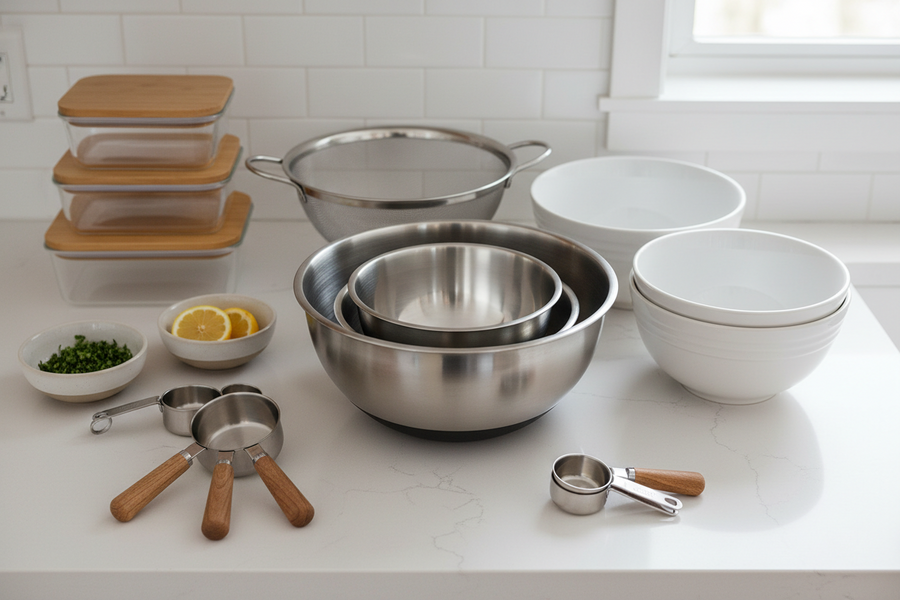
A beginner does not need a kitchen filled with equipment.
A small collection of dependable tools is enough to prepare hundreds of meals.
Begin with:
- one comfortable chef knife
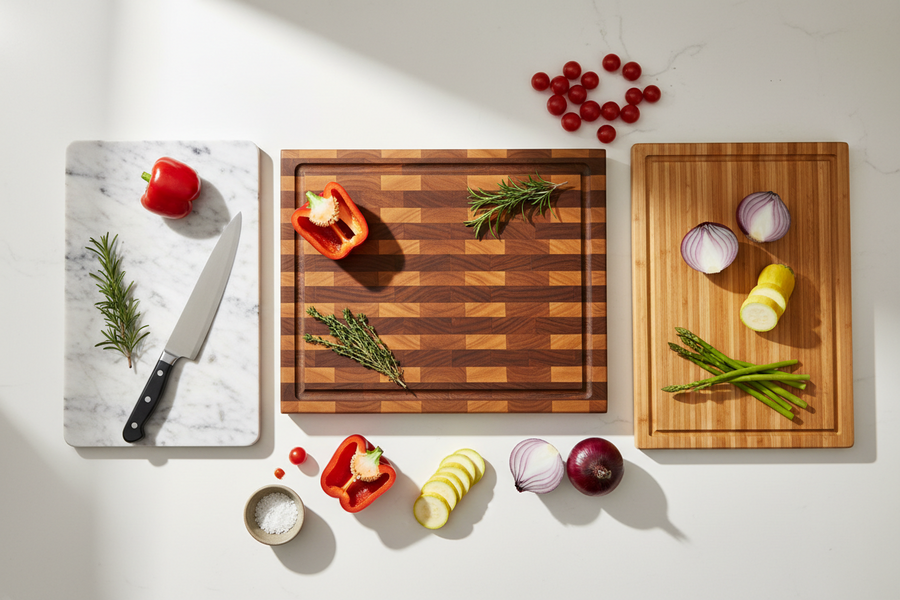
- one durable cutting board
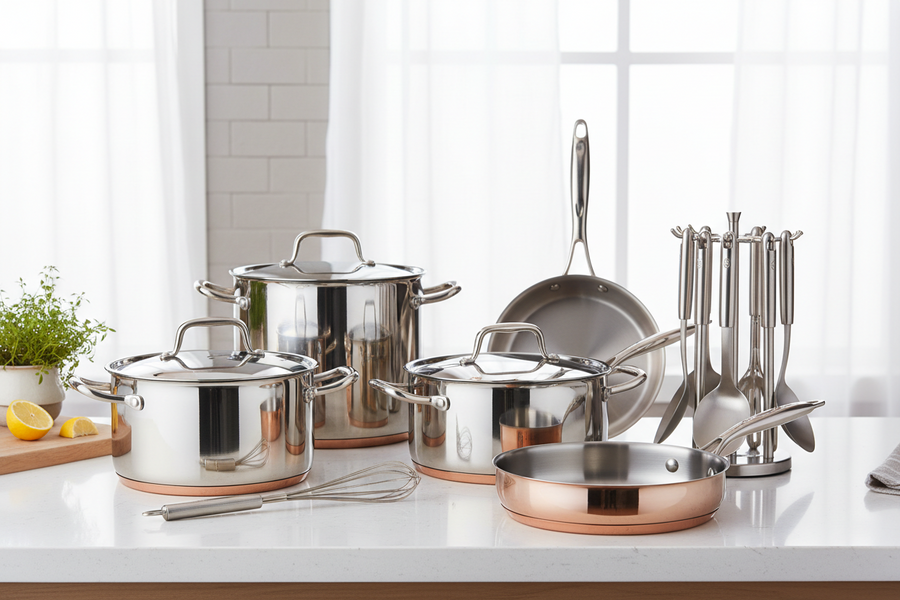
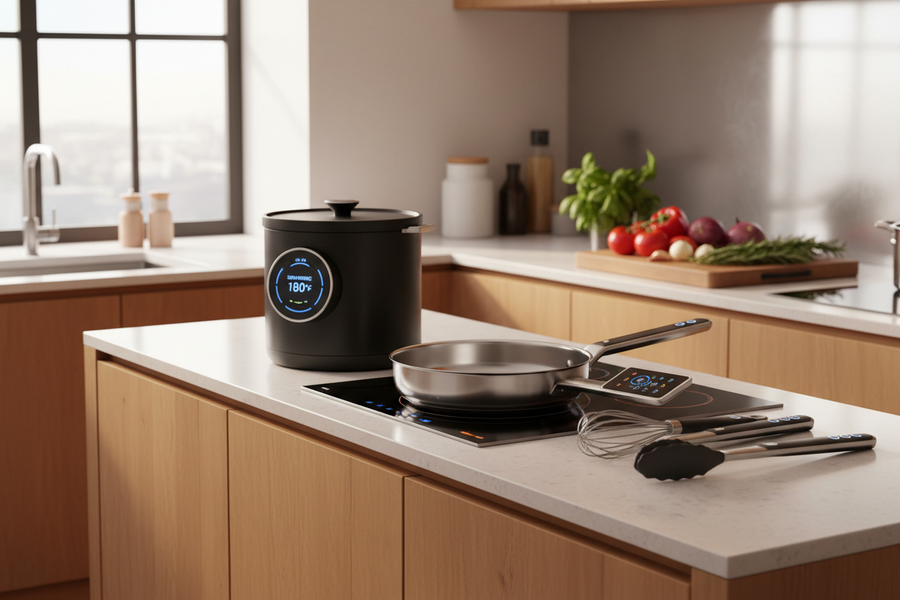
- one medium frying pan
- one saucepan
- one large pot
- one mixing bowl
- measuring cups and spoons
- a spatula
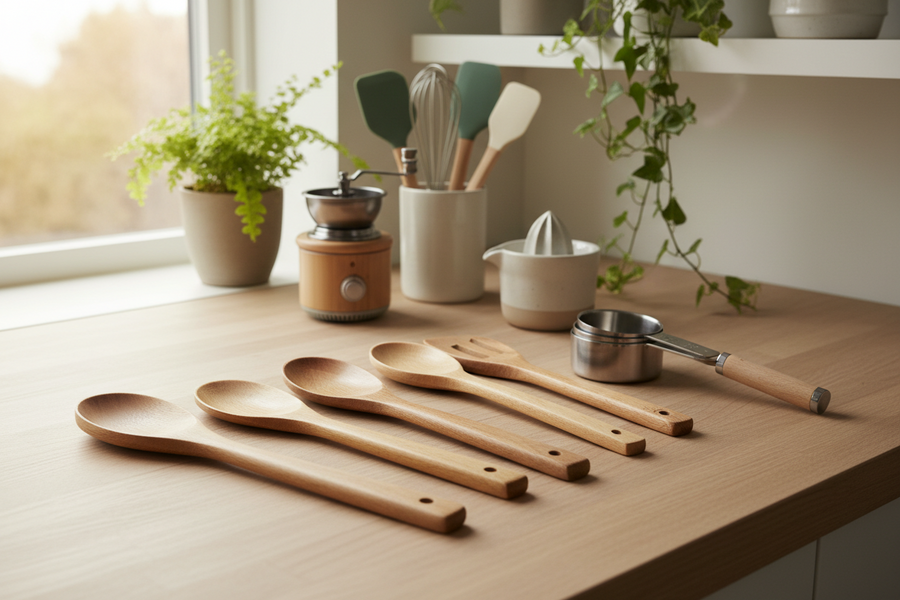
- a wooden or silicone spoon
- food storage containers
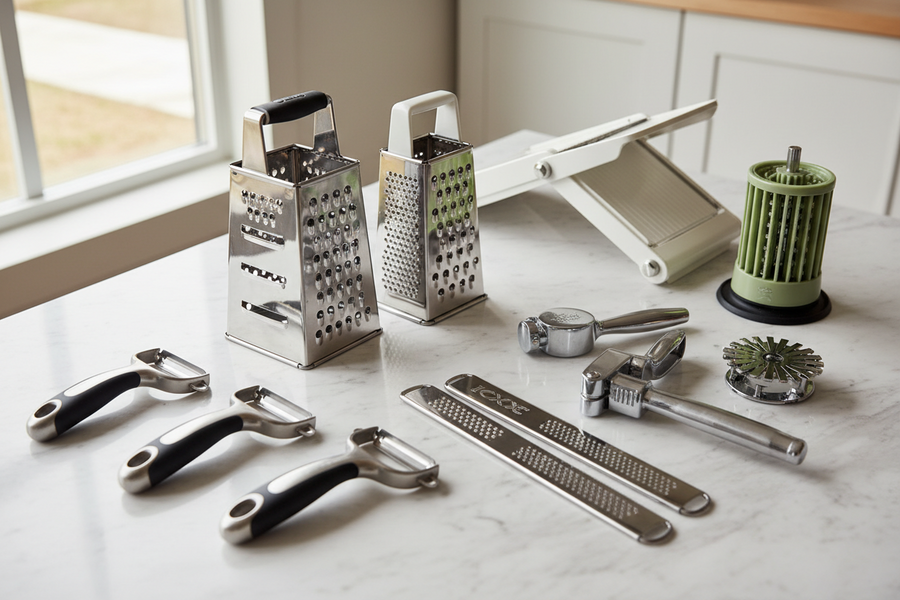
Learn how to use these essentials before purchasing specialty gadgets.
The best beginner kitchen is simple enough to understand and easy enough to maintain.
Learn Five Basic Techniques
Rather than trying to master complicated dishes, focus on techniques that appear in many recipes.
Chopping
Practice cutting ingredients into similar sizes so they cook evenly.
Sautéing
Cook ingredients in a small amount of oil over moderate heat.
Roasting
Use the oven to cook vegetables, meat, and other ingredients with minimal attention.
Boiling and Simmering
Learn the difference between rapidly bubbling water and gentle cooking.
Seasoning
Add salt and other seasonings gradually, tasting whenever it is safe to do so.
Once these techniques feel familiar, many recipes become much less intimidating.
Choose Forgiving Recipes
Some dishes allow more room for adjustment than others.
Beginner-friendly meals include:
- soups
- pasta
- roasted vegetables
- rice bowls
- scrambled eggs
- tacos
- sandwiches
- sheet-pan dinners
- simple stir-fries
- grain salads
These meals can be adjusted based on available ingredients and personal taste.
Save recipes that require exact timing or complex techniques for later.
Read the Entire Recipe First
Many cooking problems happen because instructions are discovered too late.
Before beginning, read the complete recipe.
Check:
- cooking time
- oven temperature
- required tools
- ingredient preparation
- resting or marinating time
- when ingredients are added
- how the finished food should look
Prepare and measure ingredients before turning on the stove whenever possible.
This reduces rushing and makes the process easier to follow.
Understand That Mistakes Are Information
Food may occasionally become too salty, too dry, or unevenly cooked.
These moments are frustrating, but they also teach useful lessons.
A burned onion may reveal that the heat was too high.
Dry chicken may show that it cooked too long.
A bland soup may need more salt, acid, herbs, or time.
Mistakes are not proof that you cannot cook.
They are part of learning how ingredients and heat behave.
Repeat Meals You Enjoy
You do not need to prepare a completely new recipe every day.
Repetition builds skill.
Cook the same pasta again and improve the sauce.
Prepare the same roasted vegetables and adjust the seasoning.
Make eggs several different ways.
Each repetition reduces uncertainty and increases confidence.
Over time, you will begin cooking from understanding rather than following every line of a recipe.
Keep Notes
Write down small observations after preparing a meal.
For example:
- reduce cooking time by five minutes
- add more garlic
- use less salt
- double the sauce
- prepare vegetables earlier
- family liked the spicy version
These notes gradually turn recipes into personal kitchen knowledge.
Celebrate Simple Success
A homemade meal does not need to look like restaurant food.
If it nourishes you, tastes enjoyable, and helps you learn, it is a successful meal.
Confidence grows when small accomplishments are recognized.
The first goal is not perfection.
The first goal is to cook again.
Final Thoughts
Cooking becomes easier when it is treated as a practical skill rather than a performance.
Begin with a few useful tools, choose forgiving meals, and allow yourself to learn through repetition.
Every experienced home cook once stood in a kitchen wondering what to do next.
The difference is that they continued.
PurePrep Kitchen is here to support every step—from the first chopped vegetable to the meals that eventually become family favorites.
Prepare Better. Live Easier.