



Fresh Spring Rolls, Made Your Way: Colorful, Customizable Meals at Home
A Meal That Looks Beautiful Before the First Bite
There is something inviting about fresh spring rolls.
The colors of the vegetables show through the delicate rice paper.
Fresh herbs add fragrance.
A dipping sauce brings everything together.
And every roll can be customized.
Fresh spring rolls are a wonderful example of how simple preparation can create a meal that feels interactive and enjoyable.
You don't need professional cooking skills to begin.
You need a few fresh ingredients, a clean workspace, and some patience while learning to handle rice paper.
1. Understand the Basic Structure
A fresh spring roll generally combines:
Wrapper + Vegetables + Optional Protein + Herbs + Dipping Sauce
The filling can change according to your preferences.
For example:
-
Rice paper wrappers
-
Cucumber
-
Carrots
-
Lettuce
-
Fresh mint
-
Cilantro
-
Properly cooked shrimp, tofu, or another suitable protein
-
A preferred dipping sauce
Choose ingredients that are safe to eat in their intended preparation.
2. Prepare the Filling First
Before softening the wrappers, prepare everything you need.
Wash produce appropriately.
Cut vegetables into thin, manageable pieces.
Prepare herbs.
Cook and chill proteins safely when required.
Place ingredients in separate bowls or on a clean preparation tray.
This arrangement helps you work efficiently.
3. Learn How to Handle Rice Paper
Rice paper wrappers vary by brand and thickness.
Follow package instructions for softening.
In many cases, a brief dip in suitable water is enough.
The wrapper may continue softening after removal.
If it becomes excessively wet, it may be difficult to handle.
Practice with one wrapper before preparing a large batch.
4. Build the Roll Without Overfilling
Place the softened wrapper on a suitable clean surface.
Arrange a modest amount of filling near the center or lower portion.
Fold the sides inward when appropriate.
Roll gently but securely.
Avoid pulling too hard.
The wrapper should hold the filling without tearing.
A smaller amount of filling is usually easier for beginners.
5. Try Three Fresh Roll Combinations
Crunchy Garden Roll
Use cucumber, carrots, lettuce, and fresh herbs.
Serve with a suitable dipping sauce.
Tofu & Vegetable Roll
Combine properly prepared tofu with crisp vegetables and herbs.
Choose a sauce that complements the filling.
Shrimp & Herb Roll
Use fully cooked, properly chilled shrimp with lettuce, cucumber, and herbs.
Follow safe seafood handling practices.
6. Make Dipping Sauces Simple
A dipping sauce can provide contrast.
Depending on preferences, try:
Citrus-Soy Direction: A suitable soy-based sauce with citrus.
Creamy Peanut Direction: A peanut-based sauce with complementary seasonings.
Herb-Yogurt Direction: A suitable yogurt-based sauce with herbs.
Consider allergies, particularly peanuts, soy, dairy, and seafood.
Use a dependable recipe when preparing sauces and follow its storage instructions.
7. Create a Roll-Your-Own Lunch
Fresh spring rolls can become a shared activity.
Arrange prepared fillings in separate bowls.
Place wrappers and water nearby.
Let each person build a roll using suitable ingredients.
For children, provide age-appropriate assistance and supervision.
This format encourages participation while keeping the preparation flexible.
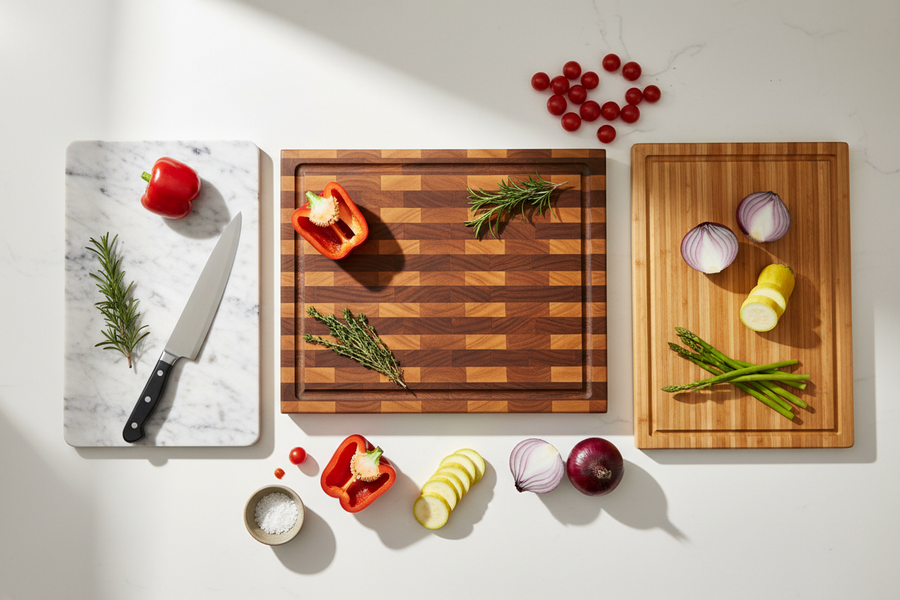
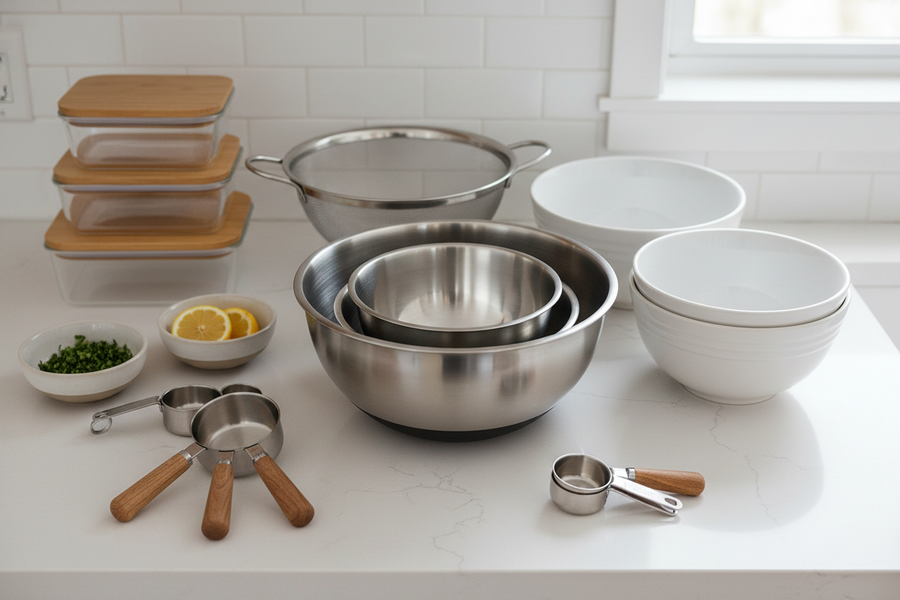
8. Choose Useful Kitchen Tools
A practical setup includes:
-
Cutting board
-
Suitable knife
-
Preparation bowls
-
Shallow dish for water
-
Serving platter
-
Small dipping bowls
-
Appropriate food-storage containers
The tools are simple, but having them ready makes the process more comfortable.
9. Serve Fresh and Store Safely
Fresh spring rolls are often most enjoyable shortly after assembly.
Rice paper can change texture during storage.
Perishable fillings require refrigeration.
Keep prepared ingredients appropriately chilled and refrigerate leftovers promptly.
If making rolls ahead, use reliable recipe-specific storage guidance.
Common Mistakes to Avoid
Oversoaking the wrapper: Follow package instructions.
Adding too much filling: Start small.
Using large vegetable pieces: Cut ingredients into manageable shapes.
Ignoring food safety: Handle cooked proteins and fresh produce appropriately.
⭐ Try This Weekend
Prepare cucumber, carrots, lettuce, and one preferred protein.
Set up a small rolling station.
Make two or three fresh rolls.
Experiment with the amount of filling until you find a comfortable method.
Explore PurePrep Kitchen Essentials
Kitchen Prep Essentials: Knives, cutting boards, and preparation bowls.
Dining & Serving: Platters and dipping sauce bowls.
Food Storage & Freshness: Containers for suitable prepared ingredients.
Suggested Internal Links:
-
Kitchen Prep Essentials
-
Dining & Serving
-
Food Storage & Freshness
-
Homemade Dressings, Better Everyday Meals
Final Thoughts
Fresh spring rolls are more than a simple meal idea.
They offer a creative way to combine familiar ingredients, enjoy different textures, and share the preparation process.
With a little practice, a few fresh ingredients can become a colorful meal made exactly the way you like it.