



From Market Bag to Kitchen Table: Make the Most of Fresh Ingredients
The Grocery Trip Is Finished. The Real Opportunity Begins.
You arrive home with bags full of fresh ingredients.
Beautiful vegetables.
Fruit.
Ingredients for meals you were excited to make.
Then life gets busy.
A few days later, some of those ingredients are still sitting in the refrigerator, waiting for a plan.
The problem often isn't what you purchased.
It's what happens after the groceries arrive home.
A thoughtful unpacking and preparation routine can help turn groceries into meals rather than forgotten ingredients.
1. Begin With a Clear Counter
Before unpacking groceries, create enough space to sort everything.
Clear unnecessary items from the countertop.
Set out appropriate containers.
Make room for refrigerator and pantry items.
This simple preparation helps prevent groceries from becoming a disorganized pile.
2. Put Temperature-Sensitive Foods Away Promptly
Perishable foods should be stored appropriately as soon as possible.
Refrigerate or freeze foods according to their requirements.
Keep raw meat, poultry, and seafood separated from ready-to-eat foods to prevent cross-contamination.
Don't leave temperature-sensitive groceries on the counter while completing unrelated tasks.
3. Sort Ingredients by Their Future Purpose
Instead of thinking only about where an ingredient belongs, consider how it will be used.
Ask:
What is planned for dinner?
Which vegetables are intended for snacks?
Which ingredients will be used later in the week?
Which items require special storage?
This helps connect grocery shopping with actual meal preparation.
4. Create a Simple Three-Part System
Use Soon
Identify suitable ingredients that should be prioritized based on freshness and storage requirements.
Everyday Staples
Group frequently used ingredients where they are easy to find.
Planned Meals
Keep a short list of ingredients intended for specific meals.
This system doesn't require special labels or expensive organizers.
It requires visibility.
5. Prepare Produce According to Its Needs
Not every fruit or vegetable benefits from the same preparation method.
Some produce may be convenient to wash before storage when it can be dried and stored appropriately.
Other items may keep better when washed closer to use.
Follow reliable produce-specific storage guidance.
Avoid assuming every ingredient should be chopped immediately after shopping.
6. Turn Ingredients Into Meal Components
Consider how one ingredient can support several meals.
For example, bell peppers may be used in:
-
A skillet dinner
-
A salad
-
A wrap
-
A suitable roasted vegetable dish
Carrots might become:
-
A snack
-
A soup ingredient
-
A roasted side
-
Part of a grain bowl
Thinking in components can help you plan flexible meals.
7. Use Containers That Match the Food
Different ingredients have different storage requirements.
Choose suitable food-safe containers based on:
-
Ingredient type
-
Moisture needs
-
Portion size
-
Refrigerator space
-
Ease of access
Avoid transferring everything into identical containers simply for appearance.
Practicality matters more than visual uniformity.
8. Keep a Small Grocery-to-Dinner Note
After unpacking, write down two or three meals you can prepare with the groceries.
For example:
Monday — Vegetable skillet.
Tuesday — Grain bowls.
Wednesday — Soup with suitable fresh ingredients.
The meals don't need to be complicated.
The note simply gives your ingredients a direction.
9. Review Before Shopping Again
Before the next grocery trip:
Check the refrigerator.
Look through the pantry.
Identify ingredients that need attention.
Plan meals around suitable foods already available.
This habit may help reduce unnecessary purchases and forgotten ingredients.
Common Mistakes to Avoid
Leaving perishable groceries out: Store them promptly.
Washing and cutting everything automatically: Follow ingredient-specific guidance.
Overfilling containers: Allow appropriate storage space.
Forgetting the meal plan: Connect ingredients to realistic meals.
⭐ Try This After Your Next Grocery Trip
Before putting everything away, choose three ingredients.
Write down one meal idea for each.
Store them appropriately.
Place your short meal note somewhere visible.
See whether the plan helps you use the ingredients more intentionally.
Explore PurePrep Kitchen Essentials
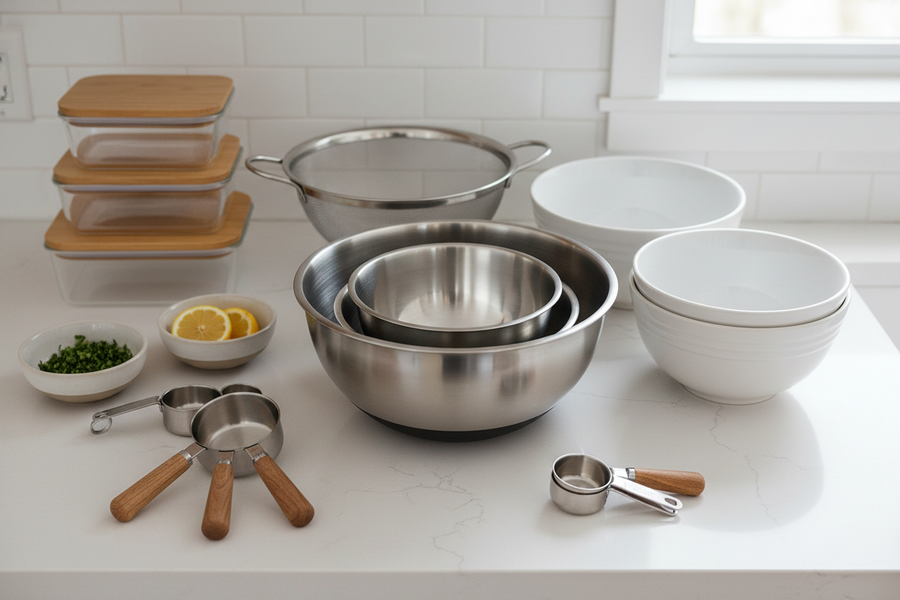
Food Storage & Freshness: Suitable food containers and storage accessories.
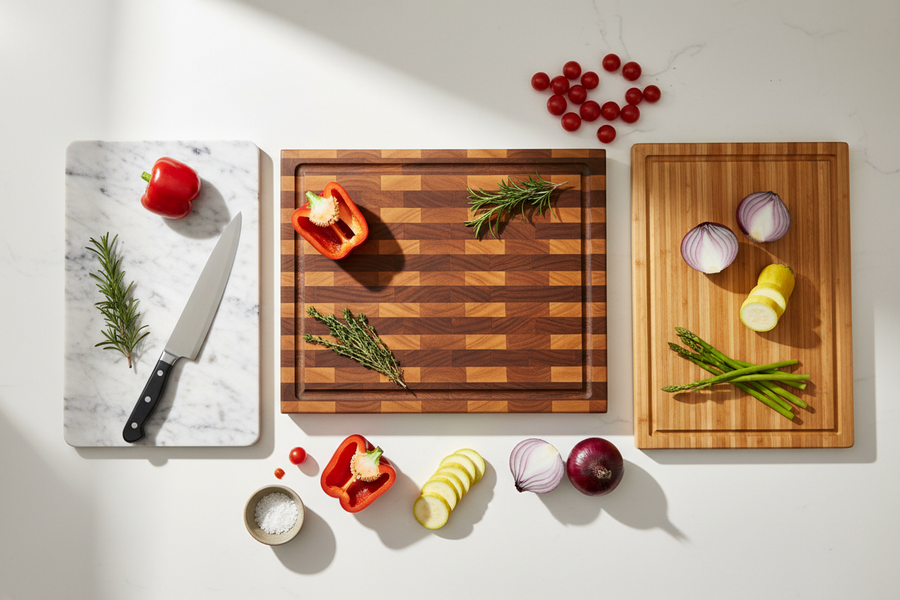
Kitchen Prep Essentials: Cutting boards, knives, peelers, and preparation bowls.
Kitchen Cleaning & Organization: Practical refrigerator and pantry organization tools.
Suggested Internal Links:
-
Food Storage & Freshness
-
Kitchen Prep Essentials
-
Kitchen Cleaning & Organization
-
Eat First Refrigerator System
Final Thoughts
Fresh ingredients are full of possibilities.
But those possibilities become meals only when we give them a little attention.
A clear counter, thoughtful storage, and a simple plan can help bridge the gap between grocery shopping and everyday cooking.