



Host More, Stress Less: A Practical Guide to Effortless Entertaining at Home
The Best Host Isn't the Busiest Person in the Kitchen
Guests are arriving in twenty minutes.
The oven is still on.
The salad hasn't been prepared.
You can't find the serving spoon.
And the table isn't ready.
Hosting can quickly become stressful when everything needs to happen at once.
But a welcoming gathering doesn't depend on an elaborate menu or perfect presentation.
It depends on thoughtful planning.
The most enjoyable gatherings allow the host to spend time with guests instead of remaining in the kitchen all evening.
1. Plan the Experience Before the Menu
Before deciding what to cook, ask:
How many people are coming?
Will everyone sit at a table?
Is the gathering casual or more formal?
Are there dietary restrictions or allergies?
How much preparation time is available?
The answers help determine a realistic menu and serving style.
A casual gathering may work beautifully with shared platters.
A seated dinner may benefit from a more structured meal.
Choose the experience first.
2. Keep the Menu Manageable
A useful starting point is:
One main dish + Two sides + One simple dessert
For example:
Main: A familiar pasta or suitable roasted dish.
Side one: Fresh salad.
Side two: Bread or vegetables.
Dessert: Fruit or a simple prepared dessert.
This structure provides variety without requiring an overwhelming number of recipes.
Choose dishes you feel comfortable preparing.
3. Prepare What You Can in Advance
Some tasks can be completed before guests arrive.
Depending on the recipe, you may be able to:
-
Prepare appropriate ingredients.
-
Wash and organize produce.
-
Set the table.
-
Arrange serving equipment.
-
Prepare suitable dressings.
-
Organize beverages.
-
Clean the main preparation area.
Store prepared foods safely until needed.
The less you need to do at the last minute, the more relaxed the evening can feel.
4. Create a Simple Hosting Timeline
The Day Before
Confirm the number of guests.
Choose the menu.
Check ingredients.
Identify necessary cookware and serving pieces.
Complete suitable advance preparation.
Two Hours Before
Prepare ingredients that can be handled safely ahead of time.
Arrange serving dishes.
Clear the kitchen workspace.
Set the table.
Thirty Minutes Before
Complete appropriate final cooking steps.
Prepare beverages.
Check serving utensils.
Make sure the dining area is comfortable.
When Guests Arrive
Welcome them.
Offer a suitable beverage.
Serve food according to the plan.
Enjoy the gathering.
The timeline should support the evening, not control every minute.
5. Choose Serving Pieces That Make Hosting Easier
Thoughtful serving equipment can simplify the experience.
Consider:
Large serving platters
Useful for presenting shared dishes.
Serving bowls
Practical for salads, vegetables, and suitable side dishes.
Tongs and serving spoons
Help guests serve themselves comfortably.
Trays
Useful for carrying appropriate drinks or small dishes.
Food-safe storage containers
Helpful for preparation and suitable leftovers.
Choose products that are comfortable to handle and easy to clean.
6. Make the Table Inviting Without Overdecorating
You don't need expensive decorations.
Start with a clean table.
Use coordinated or complementary dishes.
Add comfortable lighting.
Place napkins neatly.
Leave enough space for food and drinks.
A simple table often feels more welcoming than one crowded with decorative objects.
7. Consider a Self-Service Arrangement
For casual gatherings, a buffet-style setup may reduce the need for individual plating.
Arrange food in a logical order.
Place plates first.
Follow with the main dish and sides.
Keep utensils near their corresponding foods.
Provide a separate area for drinks if space allows.
Avoid overcrowding the serving area.
8. Keep Food Safe While Entertaining
Food safety is especially important when meals are served over an extended period.
Keep cold perishable foods at 40°F (4°C) or below and hot foods at 140°F (60°C) or above when holding them for service.
Do not leave perishable foods at room temperature for more than two hours, or one hour when the surrounding temperature exceeds 90°F (32°C).
For longer gatherings, serve smaller batches and replenish them from properly temperature-controlled supplies.
Follow safe cooking temperatures and appropriate food-handling practices.
9. Make Cleanup a Shared, Manageable Process
Hosting shouldn't end with an overwhelming kitchen.
Before guests arrive:
Empty the dishwasher if appropriate.
Clear space for used dishes.
Prepare storage containers.
Keep cleaning tools accessible.
After the meal:
Store perishable leftovers promptly.
Clear the table.
Wash or load dishes.
Wipe food preparation surfaces.
A practical cleanup system makes hosting easier to repeat.
10. Remember What Guests Actually Enjoy
People generally come together to share time.
Good conversation.
A comfortable atmosphere.
Food they enjoy.
A host who has time to participate.
The evening doesn't need to resemble a magazine photograph.
It needs to feel welcoming.
Common Mistakes to Avoid
Planning too many dishes: Choose a manageable menu.
Trying unfamiliar complicated recipes: Prioritize dishes you can prepare confidently.
Forgetting serving equipment: Check platters and utensils before guests arrive.
Leaving perishable foods out too long: Use appropriate temperature control.
Overdecorating the table: Preserve space for comfortable dining.
⭐ Try This Weekend
Invite a small group of friends or family.
Prepare one familiar main dish and two simple sides.
Set the table before cooking.
Organize serving equipment in advance.
Then focus on enjoying the people around you.
Explore PurePrep Kitchen Essentials
Dining & Serving: Serving platters, bowls, trays, and table accessories.
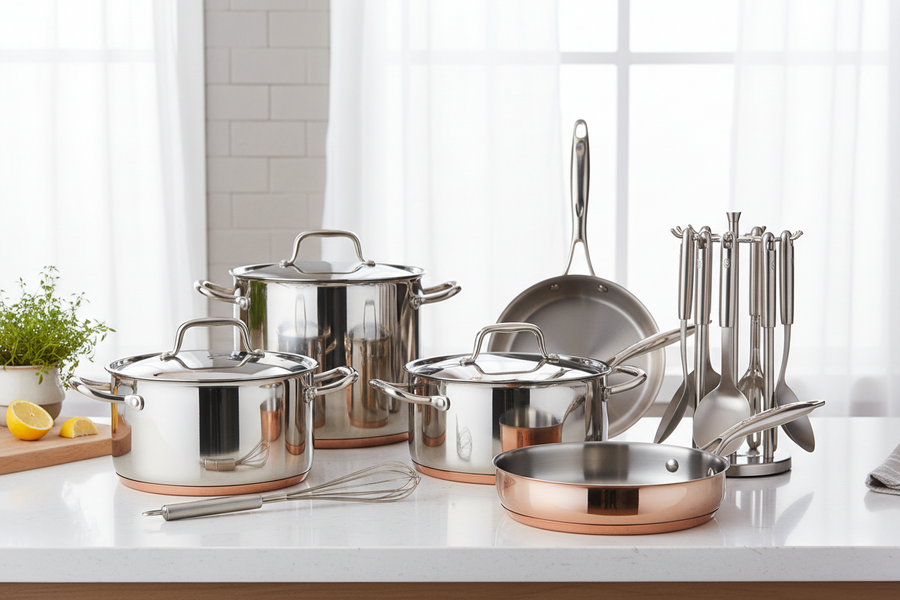
Cookware & Everyday Cooking: Practical cookware for shared meals.
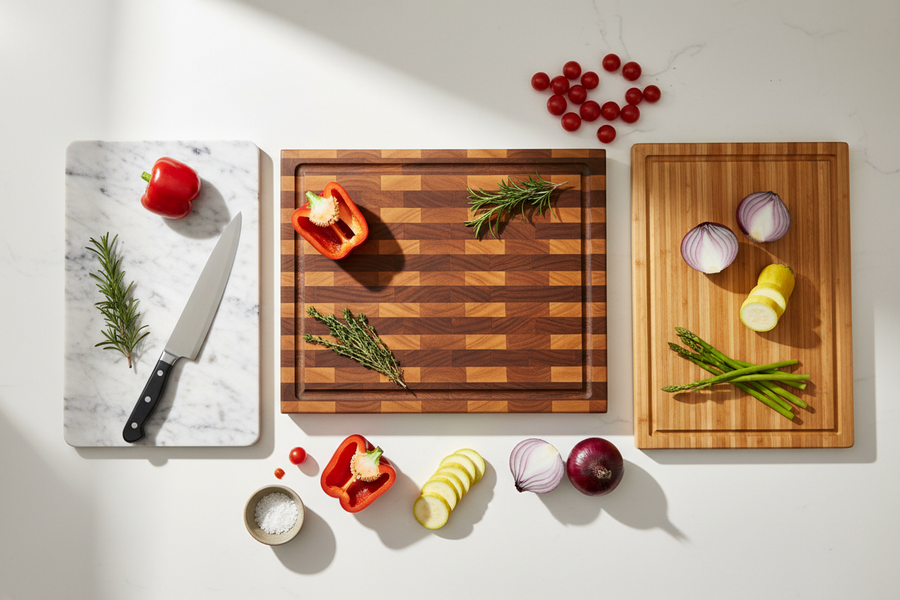
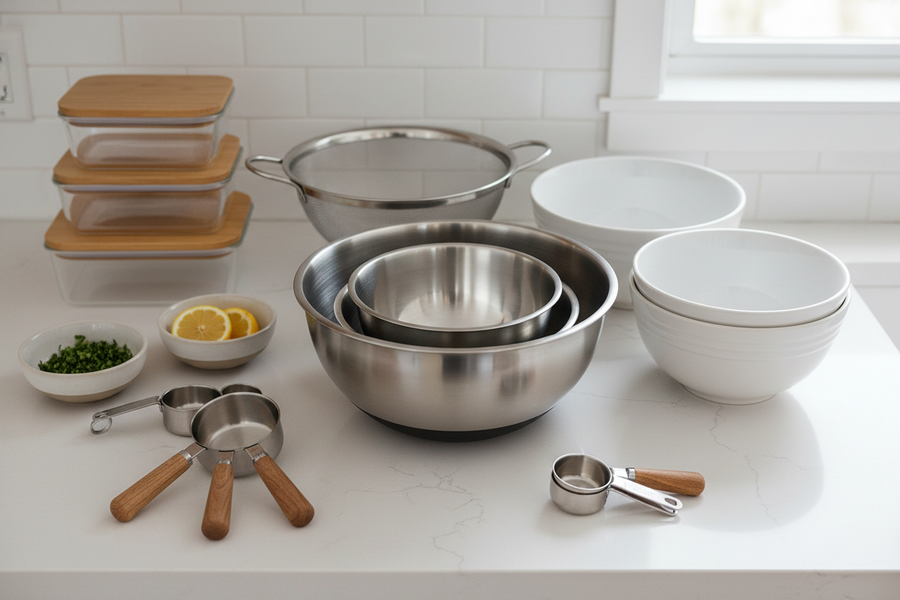
Kitchen Prep Essentials: Cutting boards, mixing bowls, and preparation tools.
Food Storage & Freshness: Suitable containers for preparation and leftovers.
Suggested Internal Links:
-
Dining & Serving
-
Cookware & Everyday Cooking
-
Kitchen Prep Essentials
-
Food Storage & Freshness
-
The Art of the Everyday Grazing Board
Final Thoughts
Great hosting isn't about doing everything perfectly.
It's about creating a comfortable place where people can gather, share food, and enjoy time together.
With thoughtful preparation, practical kitchen tools, and a manageable menu, entertaining at home can become something you look forward to.