



How to Turn Leftovers Into Meals You’re Actually Excited to Eat
There’s a container in the refrigerator.
Inside is half a portion of roasted chicken, a little rice, and vegetables from last night.
Technically, it’s enough food for another meal.
But somehow, “leftovers again” doesn’t sound very exciting.
The problem isn’t the food.
It’s treating leftovers as a finished meal instead of ingredients for the next one.
Once you make that mental shift, yesterday’s dinner can become something completely different.
Give Cooked Protein a New Purpose
Leftover chicken, beef, pork, fish, beans, or tofu can become the foundation for another meal.
Try turning cooked protein into:
- tacos
- sandwiches
- grain bowls
- salads
- wraps
- pasta
- fried rice
- soup
Different sauces, herbs, and textures can completely change the experience.
Turn Vegetables Into Something New
Roasted vegetables are incredibly flexible.
Blend them into soup.
Add them to an omelet.
Mix them into pasta.
Place them inside a wrap.
Add them to a grain bowl with a fresh dressing.
The goal isn’t simply to reheat yesterday’s food.
It’s to rebuild it.
Reinvent Rice and Grains
Cooked rice, quinoa, or other grains can become:
- fried rice
- grain bowls
- stuffed vegetables
- salad additions
- quick side dishes
Store grains in practical portions so you can take only what you need.
Create a “Leftovers First” Refrigerator Zone
Give leftovers one highly visible location.
When food is hidden in the back of the refrigerator, it becomes easy to forget.
A clear container labeled with its contents can help remind everyone what’s available.
Before cooking something new, check this area first.
Change the Flavor Profile
The easiest way to make leftovers feel new is often changing the sauce.
Yesterday’s roasted chicken may feel Mediterranean with lemon and herbs.
The same chicken can feel completely different with salsa and avocado.
A good sauce turns repetition into variety.
Store Leftovers With Tomorrow in Mind
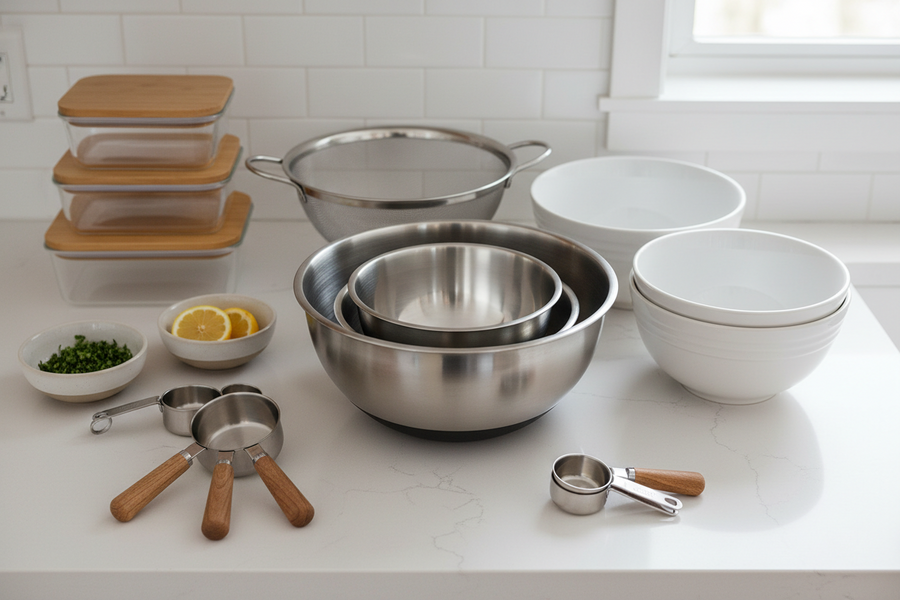
Instead of putting every leftover into one large container, consider separating ingredients.
Keep vegetables, grains, sauces, and proteins in different containers when practical.
This gives you more flexibility when creating the next meal.
Final Thoughts
Leftovers don’t have to feel like yesterday’s dinner.
With a little creativity, they can become tomorrow’s best shortcut.
Using food thoughtfully saves time, stretches the grocery budget, and helps reduce unnecessary waste.
PurePrep Kitchen — Prepare Better. Live Easier.