



Stuffed Vegetables: A Creative Way to Turn Everyday Ingredients Into Dinner
A Different Shape Can Make Dinner Feel New
Sometimes the ingredients in your kitchen are familiar.
Bell peppers.
Zucchini.
Mushrooms.
Rice.
Beans.
Cheese.
You may have prepared these ingredients many times.
But what happens when you change how they're assembled?
Instead of serving vegetables beside a filling, you place the filling inside them.
Suddenly, the meal looks different.
Stuffed vegetables are a creative way to combine everyday ingredients into individual portions.
They can be colorful, flexible, and enjoyable to serve.
1. Choose Vegetables That Can Hold a Filling
Some vegetables naturally work well as edible containers.
Bell Peppers
Their hollow shape makes them convenient for many baked fillings.
Zucchini
Halved zucchini can be prepared as small boats.
Large Mushrooms
Suitable large mushroom caps can hold modest amounts of filling.
Choose vegetables that are fresh, appropriate for the recipe, and comfortable to prepare safely.
2. Build a Simple Filling Formula
A flexible filling may include:
Cooked Grain + Vegetables + Protein + Seasoning + Optional Topping
For example:
Cooked rice.
Chopped vegetables.
Beans or another suitable protein.
Herbs and spices.
A preferred topping.
The combination can change depending on the vegetable and recipe.
3. Try Three Stuffed Vegetable Ideas
Mediterranean-Inspired Stuffed Peppers
Use a suitable combination of cooked grains, tomatoes, beans, herbs, and an optional cheese topping.
Prepare according to a reliable stuffed-pepper recipe.
Garden Zucchini Boats
Fill prepared zucchini with cooked vegetables, grains, and complementary seasonings.
Bake according to a dependable recipe until properly cooked.
Savory Stuffed Mushrooms
Use suitable large mushroom caps with a modest amount of prepared filling.
Choose a recipe appropriate for the mushroom size and filling ingredients.
4. Prepare the Vegetables Carefully
Wash produce appropriately.
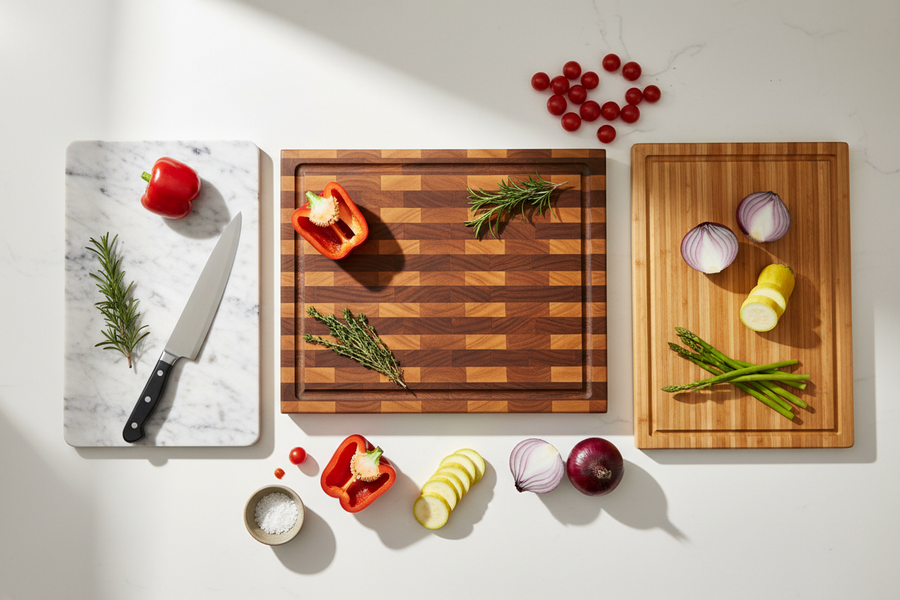
Use a stable cutting board.
Cut vegetables with a suitable knife.
Remove seeds or centers as directed by the recipe.
Avoid cutting away so much of the vegetable that it becomes difficult to fill.
5. Prepare the Filling Before Assembly
Some fillings require cooking before they are placed inside vegetables.
For example, grains and certain proteins may need to be fully or partially cooked according to the recipe.
Follow reliable instructions.
Do not assume that every raw filling will cook safely in the same amount of time.
Use a food thermometer when appropriate for animal proteins.
6. Choose the Right Baking Dish
A practical baking dish should:
Fit the number of portions.
Be suitable for the oven temperature.
Allow vegetables to sit securely.
Be easy to handle with appropriate oven protection.
Follow manufacturer instructions for material and temperature limitations.
7. Make the Meal More Colorful
Choose vegetables with contrasting colors.
Red peppers.
Yellow peppers.
Green zucchini.
Fresh herbs.
Color can make a simple dinner more visually inviting.
You don't need elaborate garnishes.
8. Serve Stuffed Vegetables as a Complete Meal
Depending on the filling, stuffed vegetables may serve as a main dish or a side.
Consider serving them with:
-
A fresh salad
-
Bread
-
A suitable grain
-
Roasted vegetables
-
A complementary sauce
Choose portions according to the meal and your household's needs.
9. Plan for Leftovers
If preparing extra portions, store them safely.
Use shallow, suitable containers.
Refrigerate promptly.
Follow appropriate storage and reheating guidance for the ingredients used.
Some vegetables may soften further during reheating, so texture can change.
Common Mistakes to Avoid
Overfilling: Leave room for ingredients to settle.
Using an unsuitable baking dish: Check dimensions and oven compatibility.
Assuming all fillings cook at the same rate: Follow recipe-specific instructions.
Ignoring safe internal temperatures: Cook animal proteins appropriately.
⭐ Try This Weekend
Choose two bell peppers.
Find a dependable stuffed-pepper recipe using ingredients you enjoy.
Prepare the filling, assemble the peppers, and bake according to the recipe.
Serve them as a colorful centerpiece for dinner.
Explore PurePrep Kitchen Essentials
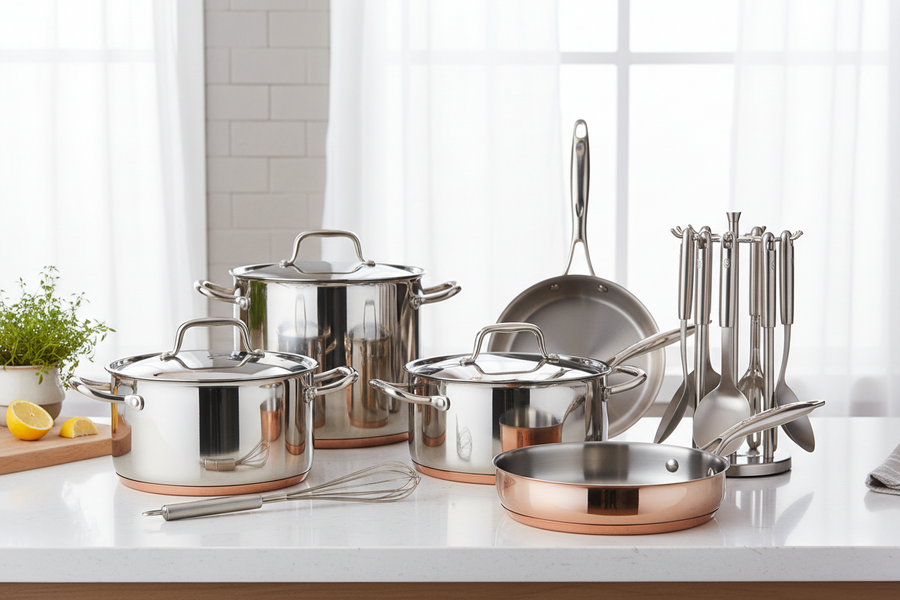
Cookware & Everyday Cooking: Oven-safe cookware and cooking utensils.
Baking Essentials: Suitable baking dishes and preparation accessories.
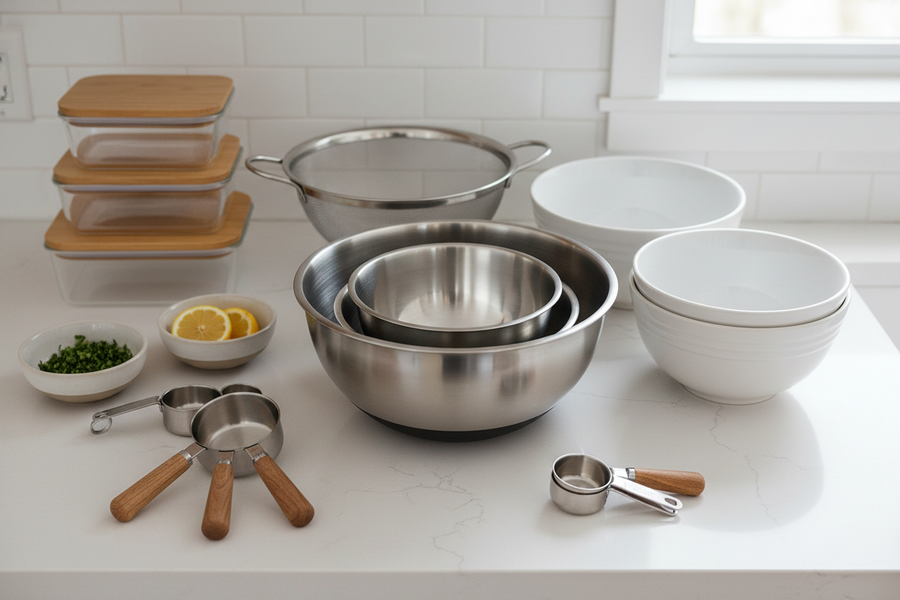
Kitchen Prep Essentials: Knives, cutting boards, and mixing bowls.
Dining & Serving: Plates and serving pieces.
Suggested Internal Links:
-
Cookware & Everyday Cooking
-
Baking Essentials
-
Kitchen Prep Essentials
-
Easy Sheet-Pan Dinner Ideas
Final Thoughts
A creative dinner doesn't always require unfamiliar ingredients.
Sometimes it begins by looking at familiar vegetables in a different way.
Stuffed vegetables combine preparation, color, and flexible flavors into a meal that feels thoughtful without needing to be complicated.