



The Refrigerator Zone Method That Makes Healthy Meals Easier
A full refrigerator can create the illusion that plenty of meal options are available.
But when ingredients are hidden behind containers, leftovers have no clear place, and fresh food disappears into crowded drawers, preparing a meal can still feel surprisingly difficult.
The problem is not always how much food you have.
It is how easily you can see and use it.
Organizing the refrigerator into simple zones can turn a crowded cold-storage space into a practical system that supports breakfast, lunch, dinner, and snacks.
Begin With a Complete Reset
Remove food one shelf at a time.
Check expiration information, discard unsuitable items, and identify ingredients that should be used soon.
Wipe shelves and drawers according to the refrigerator manufacturer’s instructions.
As you return food, avoid placing it wherever there is empty space. Give each category a consistent home.
This is the foundation of a refrigerator that remains organized after the initial cleanup.
Create a Ready-to-Eat Zone
Reserve an easy-to-see section for food that can be enjoyed with little or no preparation.
This zone may include:
- washed fruit
- yogurt
- prepared vegetables
- boiled eggs
- cheese portions
- healthy snacks
- ready-to-eat leftovers
Place these items at eye level when possible.
Food that is visible and convenient is more likely to become the natural choice during a busy day.
Establish a Meal-Prep Zone
Create a section for ingredients prepared specifically for upcoming meals.
Examples include:
- chopped vegetables
- cooked grains
- prepared proteins
- homemade sauces
- washed salad greens
- marinated ingredients
Keeping these components together makes it easier to assemble meals without searching through the entire refrigerator.
It also helps prevent one prepared ingredient from being forgotten behind unrelated products.
Designate an “Eat First” Area
This may be the most useful zone in the refrigerator.
Place food that should be consumed soon in one visible container, bin, or shelf section.
The area may hold:
- ripe produce
- opened dairy products
- cooked leftovers
- partially used ingredients
- items nearing their recommended date
Check the “Eat First” section before planning a meal, preparing a snack, or ordering takeout.
This small habit can significantly reduce unnecessary food waste.
Keep Breakfast Ingredients Together
Morning routines become easier when breakfast foods are grouped logically.
Depending on your household, this area could contain:
- milk
- yogurt
- fruit
- eggs
- prepared oatmeal
- breakfast sandwiches
- smoothie ingredients
- coffee additions
A dedicated breakfast zone allows family members to find what they need quickly without moving unrelated food.
Create a Lunch-Building Section
For households that pack school or work lunches, keep common lunch components together.
Possible items include:
- sliced vegetables
- sandwich ingredients
- prepared proteins
- fruit portions
- dips
- cheese
- small leftovers
- reusable condiment containers
When lunch ingredients are visible in one area, packing a balanced meal requires less time and fewer decisions.
Use Clear Containers Thoughtfully
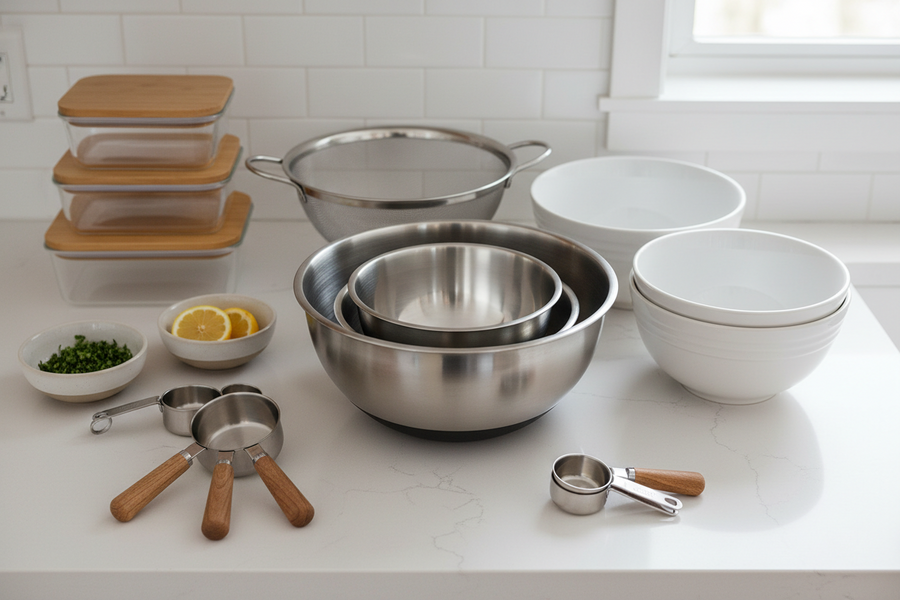
Clear storage containers make food easier to identify.
They are especially useful for prepared ingredients, leftovers, and items removed from their original packaging.
However, containers should improve function rather than create additional work.
Choose sizes that match your portions and fit your refrigerator shelves comfortably.
Avoid filling the refrigerator with oversized bins that hide useful space.
Label Food When Memory May Fail
A label can include:
- the food name
- the preparation date
- reheating instructions
- the meal it is intended for
Labels are particularly useful for homemade sauces, cooked grains, freezer-to-refrigerator meals, and similar-looking leftovers.
Clear information prevents good food from becoming an uncertain container that no one wants to open.
Avoid Overfilling the Refrigerator
A refrigerator needs adequate air circulation to maintain appropriate temperatures.
An overcrowded refrigerator also makes it difficult to see food and remove items safely.
Leave enough space to move containers without rearranging an entire shelf.
Before shopping, review what is already available and plan meals around existing ingredients.
Perform a Weekly Five-Minute Check
Once a week, take a few minutes to:
- move older food forward
- check the “Eat First” area
- remove empty containers
- wipe small spills
- identify ingredients for upcoming meals
- note what needs to be replaced
A short weekly check is easier than waiting for the refrigerator to become completely disorganized.
Final Thoughts
A well-organized refrigerator should do more than look attractive.
It should help you see ingredients, prepare meals, protect food, and make everyday decisions easier.
By creating practical zones for ready-to-eat food, meal preparation, breakfast, lunch, and ingredients that need attention, you can turn your refrigerator into an active part of your kitchen routine.
PurePrep Kitchen — Prepare Better. Live Easier.
Recommended CTA:
Shop Refrigerator Storage & Food Freshness Essentials