



Small Batch, Big Flavor: Homemade Compound Butter for Everyday Cooking
Sometimes the Smallest Ingredient Makes the Biggest Difference
Imagine a simple dinner.
Roasted potatoes, warm bread, and vegetables are ready to serve. Everything looks inviting, but you want to add something special without preparing another complicated dish.
You reach for a small bowl of homemade herb butter.
As it melts over the warm food, the aroma of herbs and citrus fills the air.
The meal feels a little more thoughtful.
That's the appeal of compound butter—a simple combination of butter and complementary ingredients.
At PurePrep Kitchen, we believe good everyday cooking often begins with small, practical ideas.
1. What Is Compound Butter?
Compound butter is butter blended with other ingredients to create a flavored spread or finishing ingredient.
Depending on your preferences, additions may include:
-
Fresh herbs
-
Citrus zest
-
Suitable spices
-
Roasted garlic
-
Honey
-
Cinnamon
It can be used in small amounts to complement bread, vegetables, and other suitable dishes.
The idea is flexible, making it useful for experimenting with familiar flavors.
2. Start With a Simple Herb Butter
For a small batch, gather:
-
½ cup (1 stick) unsalted butter, softened
-
1 tablespoon finely chopped parsley
-
1 teaspoon finely chopped thyme
-
½ teaspoon finely grated lemon zest
-
A small pinch of salt, if desired
These proportions are a starting point and can be adjusted to taste.
Step 1 — Prepare the Ingredients
Wash and dry the herbs.
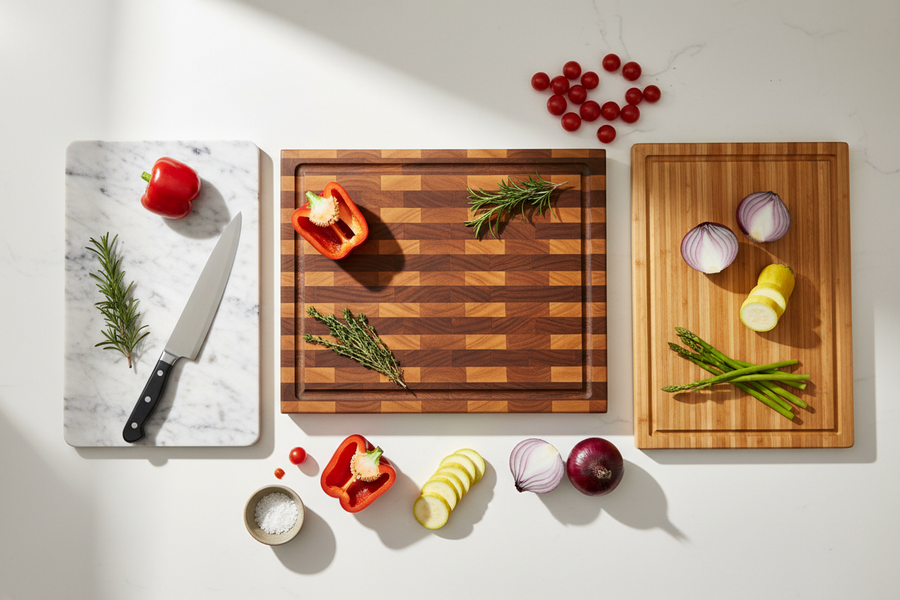
Chop them finely using a suitable knife and cutting board.
Wash the lemon before zesting.
Step 2 — Soften the Butter
Allow the butter to soften just enough to mix easily, without leaving it at room temperature for an extended period.
Do not melt it completely.
Step 3 — Combine the Flavors
Place the butter in a clean bowl.
Add the herbs, lemon zest, and seasoning.
Fold the ingredients together with a spatula until evenly distributed.
Step 4 — Taste and Adjust
Use a clean utensil to taste a small amount.
Add more herbs or zest if desired.
Step 5 — Refrigerate
Transfer the mixture to a clean, food-safe container.
Cover and refrigerate promptly.
Follow appropriate storage guidance for butter and the fresh ingredients added.
3. Try Four Flavor Combinations
Garlic & Parsley Butter
Use properly prepared garlic and fresh parsley for a savory flavor.
A small amount can complement suitable roasted vegetables or bread.
Lemon & Dill Butter
Combine lemon zest and finely chopped dill.
This can work with selected vegetable or seafood dishes.
Honey & Cinnamon Butter
Add a little honey and cinnamon for a sweeter variation.
Try it on suitable toast or baked goods.
Rosemary & Black Pepper Butter
Use finely chopped rosemary and freshly ground black pepper.
This combination can complement potatoes and other savory dishes.
4. Use Compound Butter Beyond Bread
Compound butter can be useful as a finishing ingredient.
Try a small amount with:
Roasted vegetables: Add shortly before serving.
Warm potatoes: Allow the butter to melt gently.
Cooked grains: Stir in a suitable amount for flavor.
Freshly baked bread: Serve as a spread.
Cooked proteins: Add after safe cooking, according to the dish.
Remember that butter contains milk and may not be suitable for people with dairy allergies.
5. Choose Practical Preparation Tools
A simple compound butter setup may include:
-
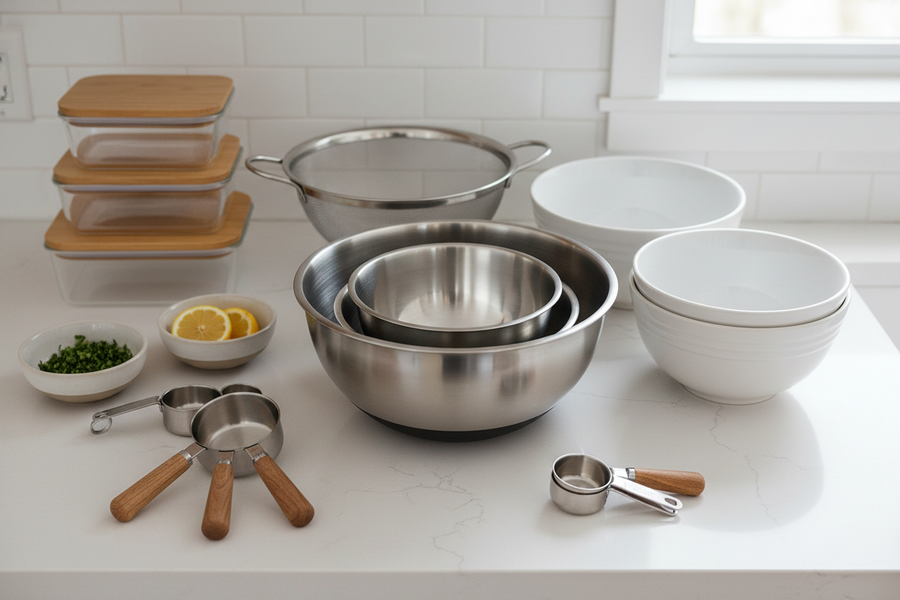
Small mixing bowl
-
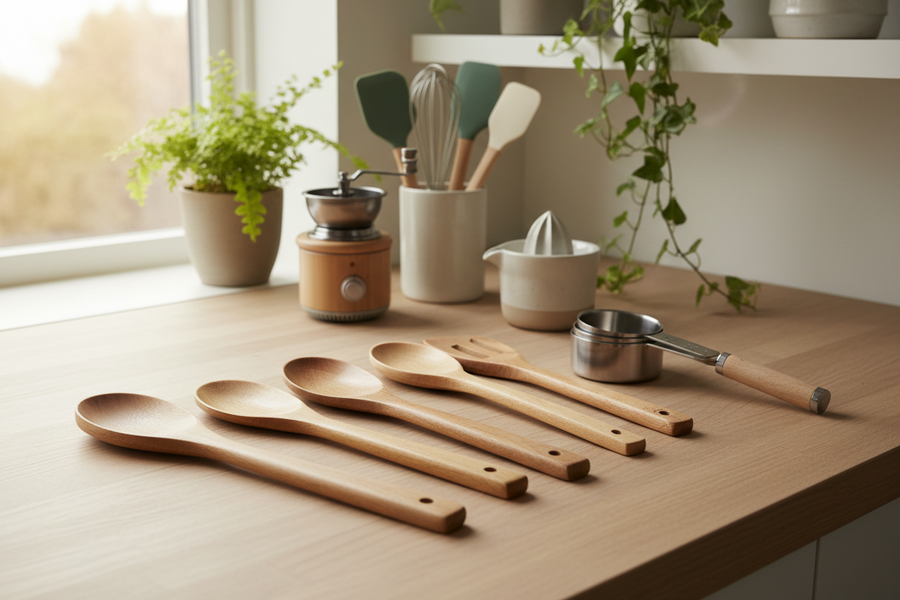
Silicone spatula
-
Cutting board
-
Suitable kitchen knife
-
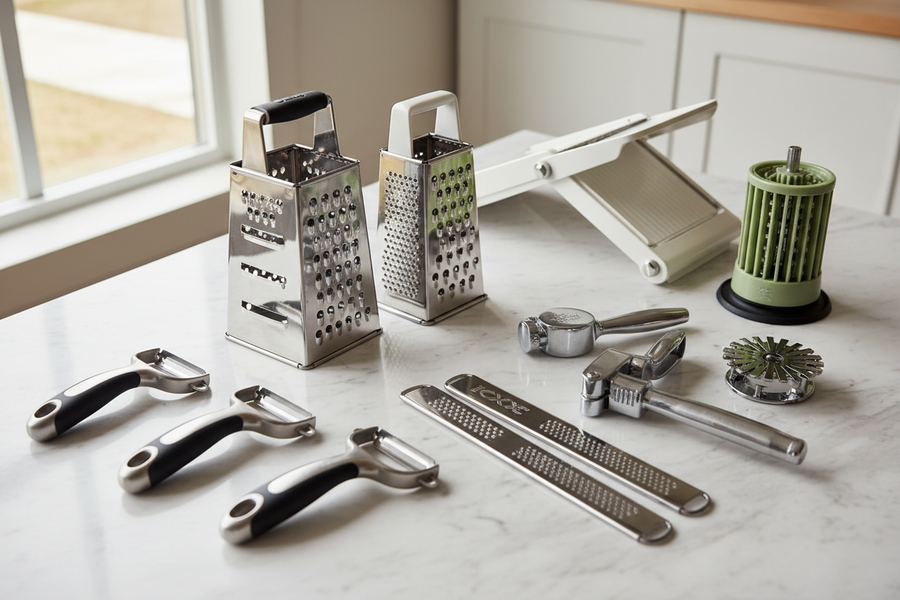
Fine grater
-
Measuring spoons
-
Food-safe storage container
You don't need a specialized appliance.
The most useful tools are often the ones that support several everyday tasks.
6. Make Small Batches
Compound butter is most practical when prepared in quantities you expect to use safely.
Fresh herbs, garlic, and other additions can affect storage requirements.
Keep homemade flavored butter refrigerated, avoid leaving it out for prolonged periods, and use conservative recipe-specific storage guidance.
Do not assume every flavored butter has the same shelf life as plain commercial butter.
7. Make It Part of a Relaxed Dinner
A small dish of flavored butter can make a shared meal feel more welcoming.
Serve it with warm bread.
Add a little to vegetables.
Let guests choose whether to use it.
A thoughtful finishing ingredient can create variety without requiring another complete recipe.
Common Mistakes to Avoid
Using wet herbs: Dry herbs before mixing.
Adding too many flavors: Start with two or three complementary ingredients.
Making an unnecessarily large batch: Prepare realistic quantities.
Ignoring storage requirements: Refrigerate promptly and follow ingredient-specific safety guidance.
⭐ Try This Tonight
Mix a small amount of softened butter with parsley and lemon zest.
Refrigerate it until needed.
Serve a little with warm bread or cooked vegetables.
Notice how a simple finishing ingredient changes the meal.
Explore PurePrep Kitchen Essentials
Kitchen Prep Essentials: Mixing bowls, knives, graters, and spatulas.
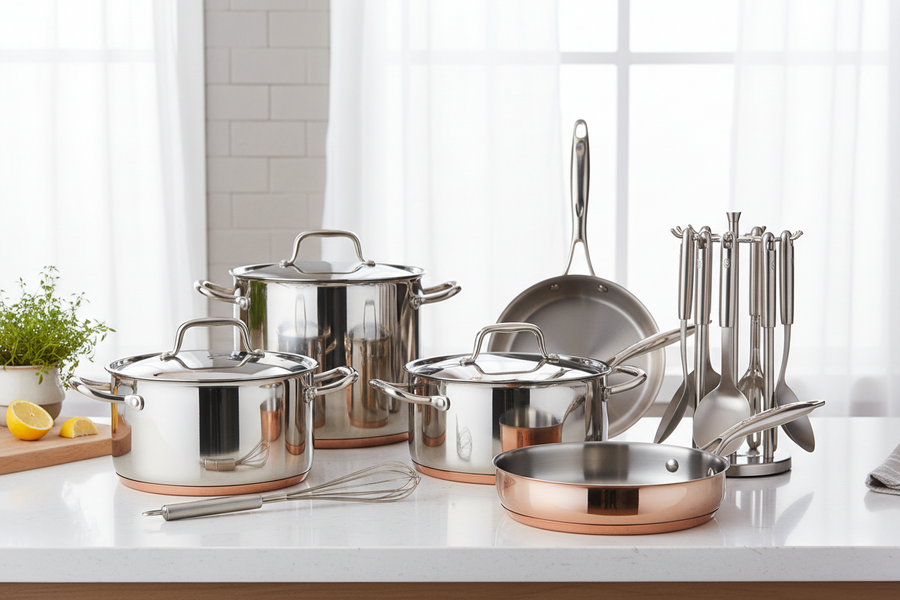
Cookware & Everyday Cooking: Practical cookware and serving utensils.
Food Storage & Freshness: Suitable small food-storage containers.
Suggested Internal Links:
-
Kitchen Prep Essentials
-
Cookware & Everyday Cooking
-
Food Storage & Freshness
-
Little Finishing Touches, Big Flavor
Final Thoughts
Better everyday meals don't always require new recipes.
Sometimes they begin with one small preparation that adds freshness, aroma, and personality to familiar food.
A little herb butter can turn an ordinary dinner into something worth slowing down for.